


Do you ever look in the mirror and wonder why your complexion changes even when your skincare stays the same? The answer often lies in the quiet conversation between skin and hormones, which influences oil levels, hydration, sensitivity, and even pigmentation day by day.
If you are noticing breakouts, dryness, or uneven tone and want a natural plan to restore balance, then this guide will show how skin and hormones interact, what the common clues mean, and which daily choices help you feel confident in your skin again.
Table of Contents
- How Skin Reflects Internal Hormonal Health
- Common Signs Of Imbalance And What They Mean
- Natural Balancing Techniques That Work
- Foods That Support Hormone Balance
- When To Seek Personalised Care
- FAQ
How Skin and Hormones Reflect Internal Health
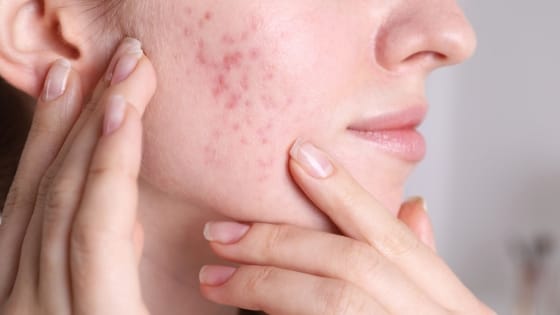
Your skin is a responsive organ that mirrors internal changes. Shifts in oestrogen, progesterone, and androgens affect sebum production, barrier strength, and how quickly skin renews. Cortisol rises during stress and can ramp up inflammation, which makes existing conditions feel louder. Thyroid hormones influence circulation and cell turnover, so low levels can leave skin dull and dry while high levels may make it flushed and reactive. This is why caring for skin and hormones means looking beyond a single product to the routine your entire day creates.
The surface tells a story. Oiliness around the chin and jaw can reflect androgen sensitivity. Dry cheeks may suggest a weaker barrier or fewer natural moisturising factors. Pigmentation patches can appear when hormones and light exposure collide. Reading these patterns helps you guide care rather than guess.
Oil, Moisture, And Barrier Clues
Balanced oil keeps skin comfortable, too much leads to congestion, too little causes tightness and fine flakes. A resilient barrier holds water in and irritants out. If cleansers feel harsh or your face stings with simple products, strengthen the barrier first so your complexion can handle active ingredients later.
Pattern Shifts Across The Month
In many cycles, the week before bleeding brings more oil and congestion as progesterone and androgens nudge sebum higher. Mid-cycle often feels smoother and brighter. Tracking your patterns for two or three months helps link skin and hormones so you can plan gentle adjustments.
Stress Signals On The Skin
Long days and poor sleep can raise cortisol and sympathetic drive, which may show as redness, itch, or slower healing. Calming your routine is not a luxury, it is an input your skin recognises.
Common Signs Of Imbalance And What They Mean
Understanding what you see removes guesswork and stops the cycle of over-treating. The goal is not to chase every mark, it is to address the pattern.
Jawline Breakouts And Deep Cysts
Stubborn bumps on the chin, jaw, and neck often point toward hormonal acne. This pattern can reflect androgen sensitivity, increased sebum, sticky dead skin cells, and an inflamed environment. Gentle keratolytics, lighter moisturisers, and lifestyle steps that steady hormones together bring the best results.
Dryness, Flakes, And Tightness
If your skin feels papery or looks dull despite moisturiser, think barrier repair. Low oestrogen phases and harsh cleansing strip lipids. Choose a mild cleanser, add ceramides and cholesterol, and keep water lukewarm so you support skin and hormones rather than fighting them.
Pigmentation Patches And Melasma Tendency
A mix of hormones and light exposure can spark uneven tone on the cheeks, forehead, or upper lip. Daily sunscreen, hats, and pigment-friendly ingredients like azelaic acid help. Focus on consistency, not overnight change.
Sensitivity, Redness, And Itch
When the barrier slips or inflammation rises, products tingle and small triggers cause flushes. Simplify, use fragrance-free basics, and add soothing ingredients such as panthenol, colloidal oats, or niacinamide to rebuild tolerance.
Hair And Scalp Changes
An oily scalp with dandruff or increased shedding can accompany an endocrine imbalance. Address stress, sleep, protein intake, and iron-rich foods while you seek personalised checks if shedding persists.
Natural Balancing Techniques That Work
Your daily rhythm is the strongest lever. Small, reliable habits support the signals your skin depends on and keep inflammatory sparks lower.
Start by protecting sleep. Your skin repairs while you rest, and hormone signalling resets more cleanly when you keep a regular schedule. Pair this with a simple routine, a gentle cleanser, a hydrating serum, and a light moisturiser suited to your oil level. Add actives slowly so you can observe results without irritation confusing the picture.
Calm The System, Lower The Noise
Use two minutes of slow nasal breathing when you change tasks, and spend a little time outdoors early or late. Lower background stress and you lower inflammatory chatter, which helps hormonal acne settle.
Keep Movement Consistent
Regular activity supports insulin sensitivity and circulation. You do not need intense sessions, you need repeatable ones. Steady movement helps skin delivery of oxygen and nutrients and steadies appetite cues that influence endocrine imbalance.
Build A Skin Routine You Will Keep
Morning, cleanse lightly if needed, apply a hydrating layer, then sunscreen. Evening, cleanse to remove the day, use a simple serum such as niacinamide or azelaic acid if tolerated, then moisturise. Once your barrier feels comfortable, experiment with low-strength retinoids a few nights per week.
Foods That Support Hormone Balance

What you eat shapes the terrain your hormones operate in. Aim for meals that steady blood sugar and deliver micronutrients your skin uses to repair. The emphasis is not restriction, it is a reliable fuel your body can recognise.
Start each day with protein and fibre so energy stays even. Build plates around vegetables and fruit for colour and antioxidants, whole grains for fibre, and quality proteins for structure. Healthy fats from olive oil, nuts, seeds, and oily fish support cell membranes and help you absorb fat-soluble nutrients. These choices support skin and hormones quietly yet powerfully.
Fibre, Phytoestrogens, And Plant Variety
Fibre helps remove by-products in the gut, while plant compounds from flaxseed, pulses, and legumes can gently support balance for some adults. Variety matters. Rotate your produce so you cover more bases without tracking every detail.
Minerals And Vitamins Your Skin Loves
Zinc from seeds and seafood, vitamin C from citrus and peppers, vitamin A and carotenoids from leafy greens and orange vegetables, and B vitamins from whole grains and eggs contribute to renewal. A balanced menu that includes these nutrients can help reduce the intensity of hormonal acne over time.
What To Ease Back On For A While
Ultra-processed snacks high in added sugars, heavy creamy sauces, and late spicy meals can provoke reflux, inflammation, and sleep disruption. Ease them for a fortnight and watch how your face responds. If you suspect sensitivity to a food, reduce it; do not erase entire groups unless a clinician advises it.
When To Seek Personalised Care
Self-care suits mild, familiar patterns. Ask for professional support if breakouts become painful and scarring, if pigmentation spreads despite sun care, if rashes persist, or if other signs of endocrine imbalance appear, such as unexplained weight shifts, missed or unusually heavy periods, heat or cold intolerance, or sustained hair shedding. A clinician can check thyroid function, iron status, and other markers and discuss options that complement your home routine.
Ready to act? Start a simple seven-day reset today. Choose gentle products, add two servings of colourful plants to each meal, and keep a regular bedtime. If you want tailored help on skin and hormones, explore our resources and share your results. Please like, share, and comment, and check the other articles on our website for practical steps that work alongside your routine.
To discover more, read our past articles on “Want Brighter, Firmer Skin? Here’s How to Support It From the Inside Out”.
FAQ
How do I know if my breakouts are truly hormonal acne?
Location and timing are clues. Deep, tender bumps on the jaw, chin, and neck that flare before bleeding often point toward hormonal acne. Support your barrier, use non-comedogenic moisturisers, and consider ingredients like azelaic acid while you address lifestyle factors.
Can food alone fix an endocrine imbalance?
Food helps create stable conditions, yet a persistent endocrine imbalance needs assessment. Use meals rich in fibre, colour, and healthy fats to support balance, then seek checks if symptoms continue or escalate.
What skincare routine works best when skin and hormones feel out of sync
Keep it simple. Gentle cleanser, hydrating serum, moisturiser, and daily sunscreen. Add one active at a time, such as niacinamide, azelaic acid, or a low-strength retinoid, when your barrier feels calm.
How long until I see results from natural changes?
Many people notice calmer texture and fewer flare-ups within four to six weeks of consistent sleep, steady meals, and a gentle routine. Pigmentation takes longer. Measure progress by fewer painful spots and a more comfortable feel day to day.
#SkinAndHormones #HormonalAcne #NaturalSkincare #SkinBalance #HormoneHealth #HealthySkin
Recommended books for further reading:
- Perfect Health
- Water – The Wonderful and Unique Life Source
- Keto Diet: Your 30-Day Plan to Lose Weight, Balance Hormones, Boost Brain Health, and Reverse Disease
- Eat to Beat Disease: The Body’s Five Defence Systems and the Foods that Could Save Your Life
- Eat Yourself Healthy: An easy-to-digest guide to health and happiness from the inside out
Recommended Products:

I never thought about fibre and phytoestrogens supporting hormonal balance, but it makes so much sense.