


Best Blue Light Blocking Glasses: How to Choose the Right Pair
Screens often get blamed for the eye strain that appears by the end of the day, but the cause may be more complicated than blue light alone. Dry eyes, reduced blinking, screen glare and long periods without breaks can all contribute to digital eye strain.
The best blue light blocking glasses can still be a comfortable option for people who spend long hours in front of screens, even though current research does not strongly support the idea that blue light filtering itself prevents eye strain.
In this guide, we’ll compare clear, tinted and prescription blue light glasses, explain what the research says, and show you what to look for when choosing glasses for more comfortable screen use.
The Best Blue Light Glasses: What Actually Works
Three main types of blue light glasses cover most needs: clear lenses, tinted lenses and prescription lenses with a blue light coating.
Each option has different advantages depending on when you use screens, whether you already wear glasses and which comfort features matter most.
| Lens Type | Eye Strain Protection | Best Use |
|---|---|---|
| Clear lenses | No added protection confirmed over regular lenses, although some people find them more comfortable | All-day office use |
| Tinted lenses | No added protection confirmed, but the tint may reduce brightness and glare | Evening screen use |
| Prescription lenses with coating | Provides vision correction alongside the same blue light coating | People who already need prescription glasses |
Clear Lenses for All-Day Office Wear
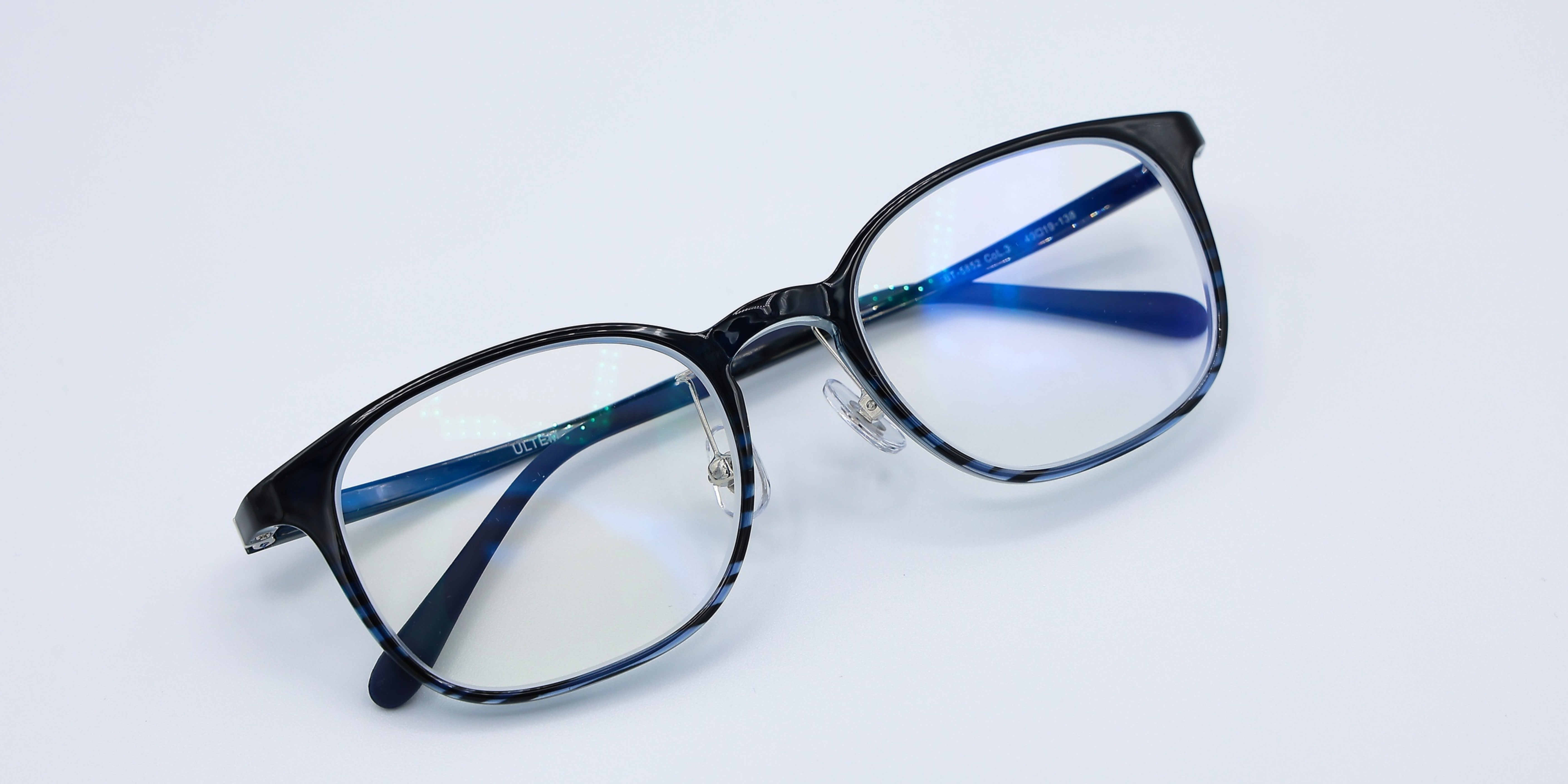
Clear blue light glasses look similar to ordinary glasses, making them an easy choice for daytime and office use.
They may feel comfortable during long screen sessions, particularly when combined with an anti-glare or anti-reflective coating. However, research has not shown a clear difference in eye strain between clear blue light filtering lenses and regular lenses.
For most daytime users, comfort, fit and glare reduction may matter more than the blue light filtering itself.
Tinted Lenses for Evening Screen Use
Tinted lenses can reduce the brightness and glare produced by screens, which some people find more comfortable during evening use.
They may be particularly appealing to people who spend long periods gaming, watching television or working on a computer at night.
However, the available research does not provide strong evidence that tinted blue light glasses directly improve sleep or reduce eye strain compared with regular lenses.
Prescription Blue Light Glasses
Prescription blue light glasses combine vision correction with a blue light filtering coating.
If you already need prescription glasses, choosing a pair with an anti-glare or blue light coating may be convenient for long periods of screen use.
The prescription itself provides the vision correction, while the blue light coating should not be viewed as a guaranteed additional eye health benefit.
How Screen Habits and Lifestyle Affect Your Choice
The best blue light glasses for you depend largely on how you use screens.
Before choosing a pair, consider:
- How many hours you spend looking at screens each day
- Whether you mainly use screens during the day or late at night
- Whether glare and brightness bother your eyes
- Whether you already need prescription lenses
- Whether you prefer clear or tinted lenses
- How comfortable the frame feels during long periods of wear
Office Workers vs. Gamers
Office workers who mainly use screens during the day may prefer clear lenses with an anti-glare coating.
For many people, regular breaks, appropriate screen brightness and frequent blinking can do more for comfort than the lens itself.
Gamers may prefer lightly tinted lenses because they can reduce glare and brightness from bright, fast-moving screens.
The main benefit of the tint is comfort rather than a proven reduction in digital eye strain.
Students vs. Remote Professionals
Students often move between laptops, books, phones and other activities throughout the day.
Remote professionals, on the other hand, may spend several uninterrupted hours looking at one screen.
For people working remotely, scheduled screen breaks can be particularly important because there may be fewer natural interruptions throughout the day.
Blue light glasses can be used as a comfort feature, but they shouldn’t replace regular breaks.
Night Owls vs. Early Risers
People who regularly use screens late at night may prefer lightly tinted lenses because reducing brightness and glare can make evening screen use feel more comfortable.
People who mainly use screens during the day may find clear lenses more practical.
Regardless of which glasses you choose, reducing screen brightness and taking time away from devices before bed can be an important part of a healthier evening routine.
Eye Strain Protection: What Actually Matters
It’s difficult to rank blue light glasses by their ability to prevent eye strain because the strongest available research does not show a clear benefit from blue light filtering itself.
Instead, focus on features and habits that can improve screen comfort.
| Comfort Level | Feature | Why It Matters |
| Higher | Anti-glare or anti-reflective coating | Helps reduce glare and reflections |
| Medium | Light tint for evening use | May make bright screens more comfortable |
| Low | Blue light filtering alone | Research has not shown a clear advantage over regular lenses |
Features Worth Prioritising
If you’re shopping for blue light glasses, consider:
- An anti-glare or anti-reflective coating to reduce reflections
- A comfortable frame that fits securely without pressure
- Clear lenses for versatile daytime use
- A light tint if evening screen brightness bothers you
- Regular screen breaks, which are more directly linked to reducing screen-related discomfort
The glasses are only one part of creating a more comfortable screen routine.
Blue Light Glasses Are Often Overrated
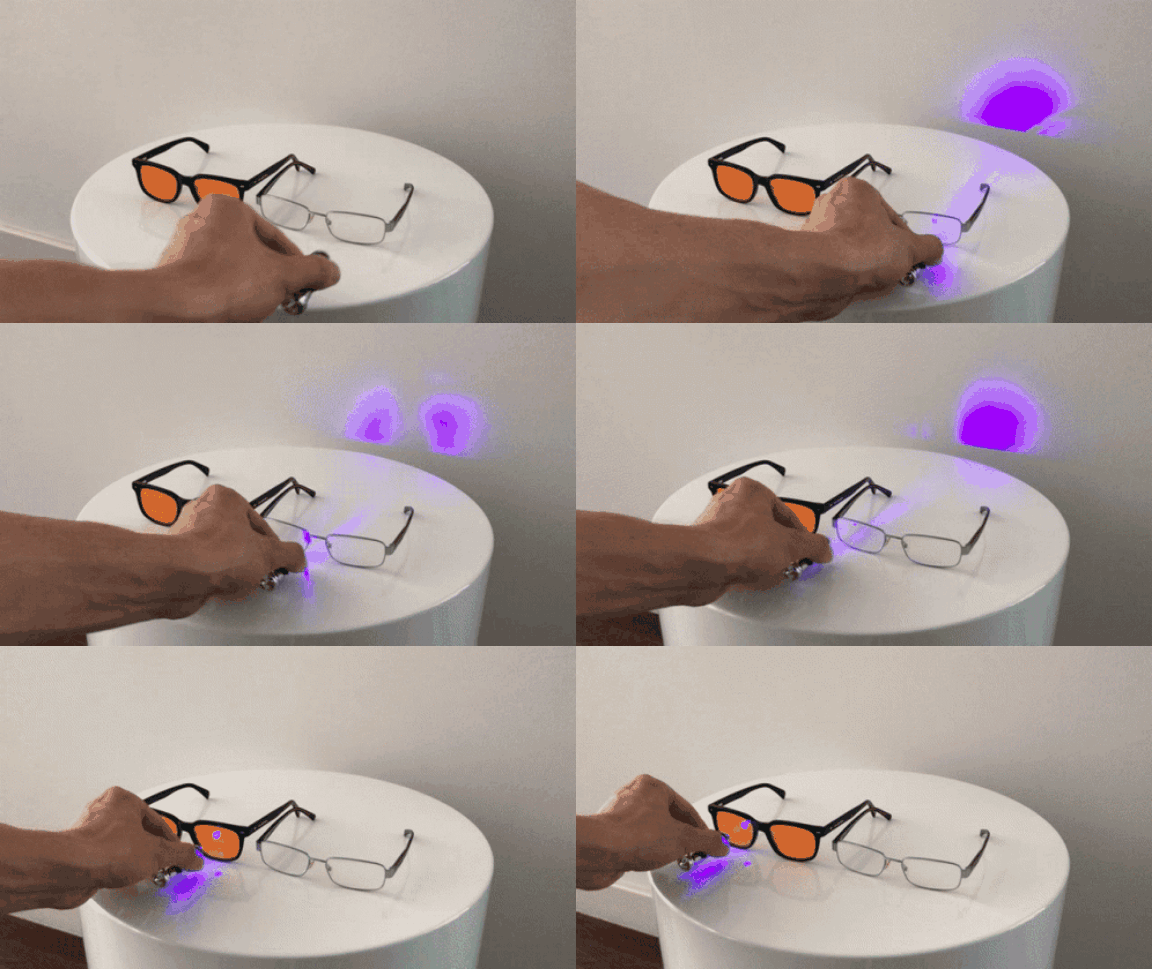
Blue light glasses are often marketed as a solution for eye strain, headaches and poor sleep.
However, a major review of 17 randomised trials found no clear difference in eye strain between blue light filtering glasses and regular lenses. The same evidence does not provide strong support for using these glasses as a guaranteed solution for sleep problems.
That doesn’t mean blue light glasses are useless.
Some people may simply find certain lenses more comfortable, particularly when they reduce glare or brightness.
The important distinction is between personal comfort and a scientifically confirmed health benefit.
Signs Your Screen Habits May Be Causing Discomfort
Screen-related discomfort often develops gradually.
Common signs include:
- Headaches after long periods of screen use
- Dry, tired or strained eyes by the evening
- Difficulty falling asleep after using screens close to bedtime
These symptoms don’t necessarily mean blue light is the cause.
They may instead be related to reduced blinking, glare, screen brightness, posture or spending too long without a break.
Frequent Headaches After Screen Time
Headaches that appear after long screen sessions may be linked to factors such as glare, eye dryness or poor posture.
Adjusting screen brightness, reducing glare and taking regular breaks may help improve comfort.
Glasses with an anti-glare coating can also be useful for reducing reflections.
Dry, Tired or Strained Eyes by Evening
When you’re concentrating on a screen, you may blink less frequently.
Reduced blinking can contribute to dry and tired eyes.
Making a conscious effort to blink regularly and taking breaks from the screen can help reduce this type of discomfort.
Trouble Falling Asleep After Using Devices
Using bright screens close to bedtime may make it harder for some people to wind down.
Reducing screen brightness, dimming lights and giving yourself some screen-free time before bed may be more useful than relying on blue light glasses alone.
How to Make Screen Time More Comfortable
Whether you wear blue light glasses or not, a few simple habits can make a difference.
Try to:
- Take regular breaks from your screen
- Blink more frequently
- Adjust your screen brightness
- Reduce glare and reflections
- Keep your screen at a comfortable distance
- Maintain good posture
- Avoid using extremely bright screens in a dark room
- Reduce screen exposure close to bedtime when possible
These habits address several of the factors that can contribute to digital eye strain.
Ready to Protect Your Eyes From Screen Strain?
The best blue light blocking glasses are not necessarily the pair with the strongest filtering claim.
Look for comfortable frames, suitable lenses and useful features such as anti-glare or anti-reflective coatings.
Most importantly, combine your glasses with better screen habits.
Taking regular breaks, blinking frequently, adjusting screen brightness and reducing late-night screen exposure can all contribute to a more comfortable digital routine.
Shop Blue Light Glasses
Frequently Asked Questions
What are the best blue light blocking glasses to buy?
There is no single best pair for everyone.
Clear lenses with an anti-glare coating are a practical choice for daytime office use, while lightly tinted lenses may feel more comfortable during evening screen use.
If you already wear prescription glasses, prescription lenses with a suitable coating can combine vision correction with your preferred comfort features.
Fit, comfort and personal preference should be considered more important than the strength of the blue light filtering claim.
Do blue light blocking glasses actually reduce eye strain?
Current research does not show a clear advantage over regular lenses.
A major review of 17 randomised trials found that blue light filtering glasses made no clear difference to computer-related eye strain compared with lenses that did not filter blue light.
Dry eyes, reduced blinking and screen glare may be more relevant contributors to digital eye strain.
Can blue light glasses help you sleep better?
The evidence is mixed.
Some research has suggested possible benefits from blocking evening blue light, while larger reviews have not found a clear improvement in overall sleep quality.
Reducing screen brightness and limiting screen use before bedtime are practical habits to consider alongside any glasses.
What are the best blue light glasses for gaming?
A lightly tinted lens may be a comfortable choice for gaming, particularly if bright screens and glare bother you.
The tint can reduce brightness and reflections, but there is no strong evidence that it directly prevents gaming-related eye strain.
Taking regular breaks remains important during long gaming sessions.
Are prescription blue light glasses worth the extra cost?
If you already need prescription glasses, you may find it convenient to choose lenses that include an anti-glare or blue light coating.
However, the main benefit comes from the vision correction itself. Paying extra specifically for blue light filtering has limited research support as a way to prevent eye strain.
How do I know if I need blue light blocking glasses?
You don’t necessarily need blue light glasses simply because you use screens.
If you experience headaches, dry eyes or tired eyes after screen use, start by looking at your screen habits, brightness, glare and break schedule.
If glasses make your screen use more comfortable, they can be a useful personal preference, but they shouldn’t replace healthy screen habits.
Can you wear blue light glasses all day long?
Yes, clear blue light glasses can generally be worn throughout the day if they are comfortable and suitable for your vision needs.
Clear lenses are particularly practical for all-day use because they don’t significantly alter the appearance of colours.
Tinted lenses may be better suited to evening use depending on the strength of the tint and your personal preference.
What is the easiest blue light glasses style for beginners?
Clear lenses with an anti-glare coating are a simple starting point.
They look similar to ordinary glasses, work in different lighting conditions and don’t require adjusting to a visible tint.
If you later find that evening screen brightness bothers you, you can consider a lightly tinted option.
Final Thoughts
The best blue light blocking glasses are ultimately the ones that provide comfort, fit well and suit the way you use screens.
Clear lenses can work well for daytime use, tinted lenses may be more comfortable in the evening, and prescription options can combine vision correction with additional lens coatings.
But glasses are only part of the solution.
If your eyes feel tired after screen use, look beyond blue light. Take regular breaks, blink frequently, reduce glare, adjust your screen brightness and give your eyes time away from the screen.
The goal isn’t to find a magic pair of glasses. It’s to create a screen routine that feels comfortable and works for your everyday life.
Recommended books for further reading:
- Eat Yourself Healthy: An easy-to-digest Guide to Health and Happiness from the inside out
- Perfect Health
- Eat to Beat Disease: The Body’s Five Defence Systems and the Foods that Could Save Your Life
- Keto Diet: Your 30-Day Plan to Lose Weight, Balance Hormones, Boost Brain Health, and Reverse Disease
- Water – The Wonderful and Unique Life Source
Recommended Products:
