


The health of your gums might not be the first thing you think of when making a salad or choosing breakfast. But what’s on your plate plays a bigger role in your mouth than most people realise, especially regarding fibre.
There’s growing evidence that increasing your intake of fibre-rich foods can reduce inflammation in the gums, slow down gum disease, and support a healthier mouth overall.
This blog is for anyone curious about how diet, especially fibre, affects gum health, whether you’re managing mild bleeding gums or hoping to prevent something more serious down the line.
Table of Contents
• Why Gum Inflammation Is More Than Just A Nuisance
• The Fibre and Gum Health Connection
• Building a Dental Inflammation Diet
• Ionised Water and Oral Health
• FAQs
Why Gum Inflammation Is More Than Just A Nuisance
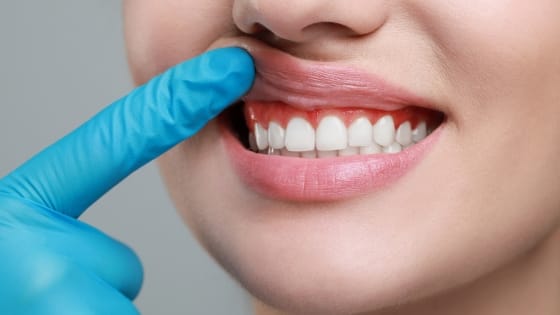
Bleeding when you brush. Puffy, red edges along your gums. A twinge when you floss. Gum inflammation is often easy to ignore at first until it isn’t.
Chronic inflammation of the gums, known as gingivitis, is the early stage of a much more serious condition: periodontal disease. Left unchecked, it can lead to tooth loss, receding gums, and even increase your risk of systemic illnesses like heart disease.
One of the most overlooked tools in fighting this is what you eat. Periodontal disease prevention isn’t just about dental visits and toothpaste. It also begins with nutrients, particularly fibre.
The Fibre and Gum Health Connection
Fibre doesn’t just move things along in your digestive tract. It also influences inflammation throughout the body, including your gums.
Here’s what researchers are uncovering:
- Fibre-rich diets lead to more stable blood sugar levels, which can reduce inflammatory responses.
- Fibre acts as a prebiotic, feeding beneficial bacteria that help keep your gut and immune system balanced.
- Certain fibre types may directly reduce inflammatory markers associated with gum disease.
One study found that people who increased fibre intake from vegetables and whole grains showed notable improvement in signs of gum inflammation. That’s not just theory. That’s visible, measurable change in the mouth.
If you’ve been wondering about the link between fibre and gum health, now’s the time to look at your plate.
Building a Dental Inflammation Diet

Eating for oral health doesn’t mean giving up pleasure or flavour. A dental inflammation diet focuses on foods that lower inflammation while supporting overall immunity.
Here are some practical ways to do that:
Prioritise Plant Diversity
Fill your plate with vegetables, legumes, whole grains, and fruits with the skin on. Different fibre types feed different beneficial bacteria, and diversity in your microbiome can lead to lower inflammation levels.
Add Seeds and Nuts
A tablespoon of chia seeds in your breakfast bowl, or a handful of almonds as a snack, can bump up your fibre count without effort. These additions are also rich in antioxidants and healthy fats.
Limit Ultra-Processed Foods
Sugar, additives, and refined starches feed harmful bacteria in your mouth. Instead of fuelling the inflammation, steer towards whole and minimally processed ingredients.
Watch The Drinks
Sweetened beverages can coat the teeth and gums, worsening inflammation. Water is always best, and one type may be even better.
Ionised Water and Oral Health
While often discussed in the context of hydration and digestion, ionised water may also be helpful in oral health.
Here’s why:
- It’s alkaline, which may help balance oral pH levels and reduce acid-loving bacteria that thrive in an inflamed mouth.
- It’s gentler on sensitive gums, especially during flare-ups
- It supports hydration, which is key to saliva production, your body’s natural defence against plaque and bacteria buildup
If you’re working on gum health, swapping your regular tap water for ionised water might be a simple but meaningful upgrade. Staying consistently hydrated also helps fibre do its job better throughout your system.
Don’t stop here, see what else we’ve covered in our earlier post on “Unlocking the Power of Fibre: Boost Your Digestive Health and Manage Weight Effectively“.
FAQs
Can fibre really affect gum health that much?
Yes. While it’s not a replacement for brushing or flossing, fibre can significantly reduce inflammation and support the beneficial bacteria that protect your gums.
What’s the best source of fibre for oral health?
Whole plant foods like beans, lentils, leafy greens, oats, apples (with skin), and seeds are excellent choices. Soluble and insoluble fibre both play a role.
Is it too late to start a fibre-rich diet if I already have gum issues?
It’s never too late. Improved nutrition can help reduce symptoms and slow progression, and support better outcomes when combined with dental care.
Your gums are not an isolated part of your body. They reflect the state of your overall health and respond to the choices you make every day.
Fibre and gum health are more connected than most people know. You’re not just feeding your gut by eating a varied, plant-rich diet and staying hydrated with high-quality water. You’re protecting your smile.
If this blog gave you a new reason to reach for the vegetables or helped you connect the dots between diet and dental health, please like it, comment below, or share it with someone who could benefit.
#FibreAndGumHealth #HealthyGums #PlantBasedSmile #OralHealthTips #AntiInflammatoryDiet #HydrationForHealth #GumDiseasePrevention
Recommended books for further reading:
- Perfect Health
- How to live a healthy life
- Eat Yourself Healthy: An easy-to-digest guide to health and happiness from the inside out
- Feel Better In 5: Your Daily Plan to Feel Great
- Water – The Wonderful and Unique Life Source
Recommended Products:
- Milk Machine
- Multifunctional Food Processor
- AUIEI Water Flosser for Teeth Cordless Oral Irrigator Portable Dental Teeth Cleaner Picks 300ML 5 Modes, USB Rechargeable & IPX7 Waterproof Plaque Removal Tool for Travel Home Use(White)
- Nutri Advanced – Vitamin D3 with K2 Liquid Drops – Orange 30ml
- Soy Milk Maker Machine

Been adding more veggies and seeds lately, didn’t realise my gums would thank me too 🙂