


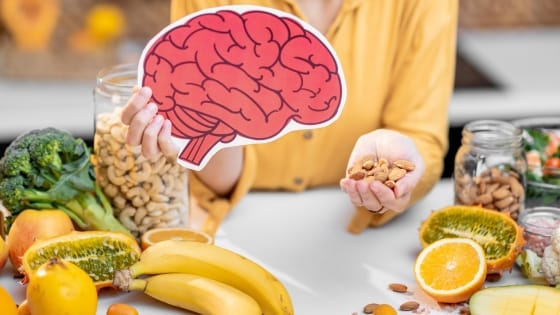
Want a clear head, reliable memory, and calm focus without complicated plans. The fastest way to start is with brain health foods that nourish neurons, stabilise energy, and protect long-term function while still fitting everyday meals.
If you are motivated to make small changes that compound week after week, then this guide will show the five proven daily foods, the why behind them, practical swaps if you are fussy, and simple routines that help you lock the benefits in.
Table of Contents
- Why Nutrition Shapes Brain Volume And Cognitive Health
- The 5 Proven Brain-Boosting Foods You Should Eat Daily
- Easy Swaps And Alternatives If You Do Not Like One Of The Foods
- Daily Habits That Protect Memory For Decades
- Why Starting Now Gives You An Advantage At Any Age
- FAQ
Why Nutrition Shapes Brain Volume And Cognitive Health

Your brain is energy hungry and highly active, which means it needs steady fuel, protective antioxidants, and specific fats to maintain cell membranes. Diet quality influences neuroplasticity, the ability to form and strengthen connections. Over time, consistent intake of nutrient-dense foods supports healthier brain volume, faster processing, and better mood regulation. On the other hand, erratic eating and ultra-processed options make energy swings more likely and push your system to over-reliance on stress chemistry, which nudges attention and memory off course.
Think of food as building material. You would not construct a home with flimsy timber. In the same way, you protect neurons with omega-3 fats, B vitamins, magnesium, polyphenols, and high-quality protein delivered through everyday plates built around brain health foods.
The Role Of Blood Sugar Stability
Sharp spikes and crashes make thinking feel jittery or flat. Pair carbohydrates with protein and healthy fats, and use fibre-rich plants so glucose rises gently. A steady curve helps you stay focused.
Why Variety Matters
Different colours and textures bring different compounds. Rotate your choices so your brain receives a broader set of nutrients across the week, not the same three items on repeat.
The 5 Proven Brain Health Foods You Should Eat Daily
These five categories are practical to keep and powerful together. Start where you are, then layer the rest.
1. Leafy Greens
Spinach, kale, rocket, and watercress provide folate, vitamin K, magnesium, and nitrates that support blood flow. Add a handful to omelettes, soups, smoothies, or sandwiches. This is one of the easiest brain health foods to tick off every day.
2. Berries
Blueberries, strawberries, raspberries, and blackberries supply polyphenols that help defend neurons from everyday oxidative stress. A small bowl with breakfast or an afternoon snack keeps energy even and supports memory.
3. Nuts And Seeds
Walnuts, almonds, pumpkin seeds, and flaxseed deliver healthy fats, minerals, and fibre. A small palmful or two tablespoons sprinkled on porridge or yoghurt is enough. Walnuts and flax add plant omega-3s that support cell membranes.
4. Eggs
Eggs offer high-quality protein plus choline, a precursor for acetylcholine, a key messenger for learning and memory. Two to three times across the week works for many people, with alternatives for plant-based readers in the next section.
5. Oily Fish Or Daily Omega-3 Alternatives
Salmon, mackerel, sardines, and trout supply DHA and EPA, the omega-3s that integrate into brain cell membranes. If fish is not your thing, use daily plant alternatives such as ground flaxseed and walnuts, and consider an algae-based omega-3. Aim for fish a couple of times per week and plant sources on the other days to keep coverage consistent.
Easy Swaps And Alternatives If You Do Not Like One Of The Foods

You do not need perfection; you need a path you will keep. Use these simple replacements so you still hit the key nutrients.
If Greens Are A Hard Sell
Swap in finely chopped herbs like parsley and basil, or shredded cabbage in slaws and wraps. Blend a handful of baby spinach into soups where you will barely taste it.
If Berries Are Out Of Season
Choose frozen berries, citrus segments, or apples and pears stewed with cinnamon. The texture changes, the benefits remain, and variety keeps your menu interesting.
If Nuts Do Not Agree With You
Use seeds instead. Pumpkin, sunflower, chia, and flax work in porridge, salads, and baked veg. Tahini makes a creamy dressing without dairy.
If Eggs Are Not An Option
Try tofu scramble with turmeric and black pepper, or add edamame and hummus to boost choline and protein. Fortified plant milks and wholegrains help cover B vitamins.
If Oily Fish Is A Non-Starter
Keep tinned sardines for convenience or choose an algae oil supplement if you avoid fish entirely. Backfill with ground flaxseed stirred into yoghurt or oats for daily omega-3 support alongside other brain health foods.
Daily Habits That Protect Memory For Decades
Brains love rhythm. A few simple rules remove friction so good choices happen almost on autopilot.
Build Plates, Not Snacks
Base meals on a trio, plants for fibre and colour, protein for structure, and healthy fats for absorption and calm energy. This keeps you full and focused.
Pair Learning With Refuelling
When you study or tackle complex work, follow with a short break and a small, balanced snack such as yoghurt with seeds or an apple with peanut butter. Practice plus nourishment strengthens recall.
Morning And Evening Anchors
In the morning, add one of the five foods to breakfast. In the evening, add another to dinner. Two anchors per day means you bank at least two wins without thinking.
Hydration And Caffeine Timing
Start with water and keep sipping steadily. Enjoy caffeine earlier, paired with food, so focus feels smooth rather than wired. Hydration is the quiet partner that makes every other habit work.
Why Starting Now Gives You An Advantage At Any Age
Neuroplasticity remains throughout life. The sooner you feed it well, the faster your gains compound, yet it is never too late to begin. Within weeks, many people notice better energy, steadier mood, and clearer recall. Over months, consistent use of brain health foods supports resilience when life gets demanding, because your cells have the materials they need to repair and adapt.
Ready to put this into practice. Choose one of the five foods to add to your next meal, then pick a swap for the one you like least and try it tomorrow. Tell us which food is already part of your routine, or which one you will start with today. Please like, share, and comment, and explore the other wellbeing articles on our website for more practical ideas you can use right away.
Take a look at these “9 Powerful Daily Habits for Brain Health Successful People Swear By“.
FAQ
How quickly will I notice a difference once I change what I eat
Many people feel steadier energy and clearer thinking within two to four weeks. Memory and focus continue to improve as habits settle, especially when meals include several brain health foods most days.
Do I need supplements if I eat well?
Food first is a reliable base. If you avoid fish entirely, consider algae-based omega-3. If you avoid eggs and dairy, pay extra attention to choline and B vi mins through alternatives. Ask a professional if you think you have gaps.
Can coffee be part of a brain-friendly routine?
Yes. Time for coffee earlier in the day, pair it with food, and keep portions sensible. The goal is smooth alertness without jitters or sleep disruption.
What if I have a sweet tooth
Keep fruit-forward puddings such as stewed apples with yoghurt, and use dark chocolate in small squares. Pair sweet foods with protein or fibre so blood sugar stays stable.
#BrainHealth #Nutrition #Focus #Memory #HealthyEating #Wellbeing #BrainFoods
Recommended books for further reading:
- Keto Diet: Your 30-Day Plan to Lose Weight, Balance Hormones, Boost Brain Health, and Reverse Disease
- Eat to Beat Disease: The Body’s Five Defence Systems and the Foods that Could Save Your Life
- Eat Yourself Healthy: An easy-to-digest guide to health and happiness from the inside out
- Water – The Wonderful and Unique Life Source
- Perfect Health
Recommended Products: