


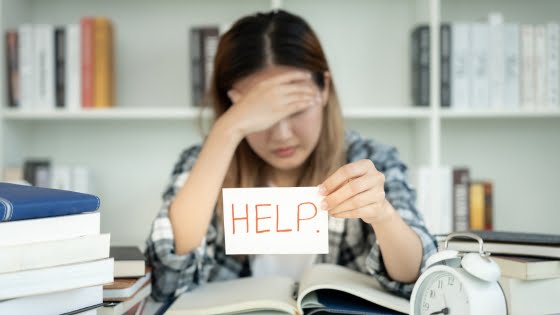
In today’s busy world, stress and anxiety are common issues experienced by countless individuals. Whether it’s due to work pressures, personal issues, or the constant barrage of information from our devices, managing these feelings is crucial for maintaining our overall well-being. Let’s explore practical strategies to help you manage stress and anxiety effectively, so you can lead a healthier, more balanced life.
What Causes Stress and Anxiety?

Stress and anxiety can stem from various sources, often referred to as stressors. These can be categorised into external and internal factors.
External Factors:
- Work-Related Pressures: High demands, tight deadlines, and workplace conflicts can significantly contribute to stress. Job insecurity and lack of job satisfaction are also common stressors.
- Financial Concerns: Worries about money, debt, and financial stability can create ongoing stress and anxiety.
- Relationship Issues: Conflicts with family, friends, or partners can lead to emotional stress. Divorce, separation, or loss of a loved one are particularly impactful.
- Health Problems: Chronic illnesses, injuries, or ongoing health issues can be major sources of stress. Concerns about personal health or the health of loved ones add to the burden.
- Life Changes: Significant life events, whether positive or negative, such as moving house, getting married, or having a child, can be stressful.
Internal Factors:
- Self-Expectations: Setting unrealistic goals and being overly critical of oneself can lead to constant stress.
- Personal Beliefs and Values: Conflicts between personal values and the demands of daily life or societal expectations can cause stress and anxiety.
- Perfectionism: A tendency to strive for perfection in all areas of life can create immense pressure and stress.
Factors That May Affect Your Vulnerability to Stress and Anxiety
Several factors can influence how susceptible an individual is to stress and anxiety:
Genetic Predisposition:
- Family History: A family history of anxiety disorders or other mental health issues can increase one’s vulnerability. Genetic factors may play a role in how individuals respond to stress.
Personality Traits:
- Perfectionism: Individuals who have perfectionistic tendencies often set high standards for themselves and can be more prone to stress.
- Pessimism: Those with a negative outlook on life or who are prone to worry may experience higher levels of anxiety.
- Type A Personality: People with Type A personality traits, such as competitiveness and urgency, are often more susceptible to stress.
Past Experiences:
- Childhood Trauma: Experiences of trauma or neglect in childhood can affect how individuals cope with stress later in life.
- Major Life Events: Previous exposure to significant life changes or traumatic events can increase sensitivity to stress.
Social and Environmental Factors:
- Support Systems: Having a strong support network of friends and family can help buffer against stress. Conversely, a lack of social support can increase vulnerability.
- Living Conditions: Stress can be heightened by poor living conditions, such as overcrowding, noise, and unsafe environments.
Physical Symptoms of Stress and Anxiety
Stress and anxiety can manifest in various physical symptoms, affecting multiple systems in the body:
Nervous System:
- Headaches: Tension headaches or migraines are common physical symptoms of stress.
- Dizziness: Feeling lightheaded or dizzy can be a result of chronic stress.
Muscular System:
- Muscle Tension: Stress often causes muscles to contract and become tense, leading to pain or discomfort, particularly in the neck, shoulders, and back.
Cardiovascular System:
- Increased Heart Rate: Stress can cause a rapid heartbeat or palpitations.
- High Blood Pressure: Prolonged stress can contribute to hypertension, increasing the risk of cardiovascular diseases.
Respiratory System:
- Shortness of Breath: Anxiety can lead to rapid, shallow breathing or hyperventilation.
Digestive System:
- Stomach Issues: Stress can cause symptoms such as nausea, bloating, diarrhoea, or constipation.
- Appetite Changes: Individuals might experience increased or decreased appetite, leading to weight gain or loss.
Immune System:
- Weakened Immunity: Chronic stress can suppress the immune system, making individuals more susceptible to infections and illnesses.
Behavioural and Emotional Effects of Stress and Anxiety
The impact of stress and anxiety extends beyond physical symptoms to affect behaviour and emotions:
Behavioural Effects:
- Avoidance: Individuals might avoid situations or activities that cause stress or anxiety, leading to missed opportunities and social isolation.
- Procrastination: Stress can lead to putting off tasks, resulting in increased pressure and last-minute rushes.
- Substance Use: Some people may turn to alcohol, drugs, or smoking as a way to cope with stress, which can lead to dependency and health issues.
- Changes in Sleep Patterns: Stress can cause insomnia or excessive sleeping, disrupting normal sleep cycles and contributing to fatigue.
Emotional Effects:
- Irritability: Stress can lead to heightened irritability and frustration, affecting relationships and daily interactions.
- Mood Swings: Individuals may experience rapid mood changes, feeling happy one moment and anxious or depressed the next.
- Feelings of Overwhelm: Constant stress can make even small tasks seem insurmountable, leading to a sense of being overwhelmed.
- Decreased Motivation: Chronic stress can sap energy and motivation, making it difficult to engage in daily activities or pursue goals.
Get More Physical Activity
Exercise is a powerful stress reliever. Regular physical activity releases endorphins, which are natural mood boosters. Whether it’s a daily walk, a gym session, or a dance class, incorporating movement into your routine can significantly reduce stress and anxiety levels.
Eat a Balanced Diet

What you eat can impact how you feel. A balanced diet rich in fruits, vegetables, lean proteins, and whole grains can help stabilise your mood and energy levels. Avoiding excessive sugar and processed foods can also prevent mood swings and energy crashes that contribute to stress.
Minimise Phone Use and Screen Time
Constant connectivity can be overwhelming. Limiting your phone use and screen time can help reduce stress. Try setting specific times to check emails and social media, and take regular breaks from screens to engage in offline activities.
Practice Self-Care
Self-care is crucial for managing stress and anxiety. This can include activities that relax and rejuvenate you, such as reading, taking baths, or spending time in nature. Prioritising self-care helps you recharge and handle stress more effectively.
Try Journaling
Writing down your thoughts and feelings can be therapeutic. Journaling provides an outlet for expressing emotions and can help you identify patterns and triggers of stress and anxiety. It also serves as a tool for reflection and personal growth.
Reduce Your Caffeine Intake
While caffeine can provide a temporary energy boost, it can also increase anxiety and interfere with sleep. Reducing your caffeine intake, especially later in the day, can help you feel calmer and improve your overall well-being.
Spend Time with Friends and Family
Social support is vital for managing stress. Spending time with loved ones can provide comfort, laughter, and a sense of belonging. Don’t hesitate to reach out to friends and family when you’re feeling stressed or anxious.
Create Boundaries and Learn to Say No
Overcommitting can lead to burnout. Creating boundaries and learning to say no when necessary helps you manage your time and energy more effectively. Prioritising your well-being is essential for reducing stress.
Avoid Procrastination
Procrastination can increase stress levels as deadlines approach. Developing good time management skills and tackling tasks promptly can help you stay organised and reduce anxiety. Breaking tasks into smaller, manageable steps can also make them less overwhelming.
Take a Yoga Class
Yoga combines physical movement with mindfulness, making it an excellent practice for reducing stress and anxiety. The deep breathing and relaxation techniques used in yoga can help calm your mind and body.
The Benefits of Ionised Water
Ionised water, particularly alkaline ionised water, has gained popularity for its potential health benefits. Drinking ionised water may help neutralise acid in the body, improve hydration, and boost energy levels. These benefits can contribute to overall well-being and help you better manage stress and anxiety. Integrating ionised water into your daily routine is a simple step that might make a significant difference in how you feel.
FAQs
How does breathing technique help in managing stress?
Breathing techniques, such as deep breathing or diaphragmatic breathing, can activate the body’s relaxation response, reducing stress and promoting a sense of calm. These techniques are easy to practice and can be done anywhere.
Can aromatherapy help with anxiety?
Yes, aromatherapy using essential oils like lavender, chamomile, and bergamot can help reduce anxiety. These scents have calming properties and can be used in diffusers, baths, or applied topically.
Is it normal to feel anxious even when everything seems fine?
Absolutely. Anxiety can sometimes occur without an obvious trigger. It’s important to acknowledge your feelings and use strategies like those mentioned in this guide to manage them effectively.
Managing stress and anxiety is an ongoing process that requires attention and care. By incorporating these strategies into your daily routine, you can create a healthier, more balanced life. Remember, it’s about finding what works best for you and making small, consistent changes. Share your thoughts, tips, or experiences in the comments – we’d love to hear from you!
If you enjoyed the information I shared, leave a comment, like, and share, and if you are new here, explore more of our website to read our related blog “Effective Strategies for Managing Stress and Preventing Burnout” to keep learning.
#StressManagement #AnxietyRelief #HealthyLiving #MentalHealthAwareness #SelfCareTips
Recommended books for further reading:
- Water – The Wonderful and Unique Life Source
- The Emotion Code: How to Release Your Trapped Emotions for Abundant Health, Love and Happiness
- Perfect Health
- The Health Book
- The 4 Pillar Plan: How to Relax, Eat, Move and Sleep Your Way to a Longer, Healthier Life
Recommended Products: