



Do you want to buy better produce without watching your grocery total climb every week? Smart choices, not bigger budgets, do most of the heavy lifting when you are buying organic on a budget.
If you are ready to prioritise what matters, then this guide will show you which foods to choose organic first, when local markets beat supermarkets, the storage tricks that stop waste, and the best budget-friendly autumn fruit and veg to put in your basket today.
Which Foods To Prioritise For Organic
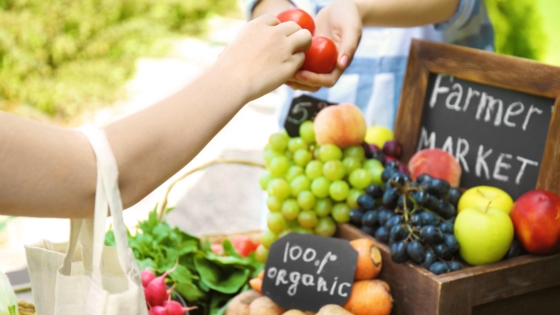
When funds are tight, the goal is not to go all organic; it is to be selective. This is where the Clean 15 Dirty Dozen guidance is useful. Produce that makes the dirty dozen list tends to carry more pesticide residue, so choose organic when you can. Items that sit on the clean 15 generally test low, so you can buy them conventionally and redirect your budget elsewhere. You still wash and prep everything well, but you spend where it counts.
Thin skins and leafy layers often benefit most from an organic choice. Think berries, apples, grapes, and leafy greens. For root veg with thicker skins, you have more leeway. Prioritising this way keeps you firmly buying organic on a budget without sacrificing variety or colour on the plate.
A Simple Prioritisation Flow You Can Use In Aisles
Ask three questions as you shop. Is the skin thin or eaten whole? Is it on the dirty dozen list this year? Will I feed this often to children? If two answers are yes, choose organic when possible. If not, go conventional, wash well, and keep moving. This fast filter pairs well with a seasonal produce guide, because in-season fruit and veg are cheaper, tastier, and usually fresher.
When Frozen Beats Fresh For Price And Quality
Do not overlook frozen berries, spinach, peas, and sweetcorn. They are picked at peak ripeness and often cost less than fresh, especially in late autumn. Frozen options are a strong ally when you are buying organic on a budget, because they keep quality high and waste low.
Local Markets Vs Supermarkets
Where you shop changes what you spend and what you get. Supermarkets win for convenience and frequent promotions, but local markets offer freshness, short supply chains, and flexible pricing near closing time. The right answer is rarely either; it is a mix that works for your week.
At markets, speak to growers about how they farm. Some small producers follow organic practices but do not pay for certification. Their prices can be gentler, and their produce keeps longer because it was picked recently. Supermarkets, on the other hand, often bundle seasonal deals, such as multibuys on root veg and brassicas. Those bundles can fill your basket cheaply if you plan storage and meals well.
How To Get The Best Price Where You Shop
At markets, go with a rough list, then buy what looks best. Walk one lap before you spend, compare stall prices, and return for value. Close to pack-up time, ask for a mix-and-match price on what is left. In supermarkets, scan the end caps and centre aisles for genuine reductions, not just promoted brand swaps. Pair offers with your seasonal produce guide so you are not seduced by expensive out-of-season fruit that will not taste of much anyway.
Seasonality Is Your Silent Discount
Autumn is generous. Squash, cabbage, leeks, beets, carrots, potatoes, pears, and apples all peak now. Buying in season is the single easiest way to keep buying organic on a budget realistic while improving flavour and nutrition.
Storage Tips That Reduce Waste
Waste is the hidden tax on good intentions. If half the fruit goes soft by Friday, your spending per edible portion doubles. A few habits keep more of what you buy in good condition, which is the unglamorous secret of buying organic on a budget.
Know Which Belongs In The Fridge And Which Does Not
Keep apples, grapes, berries, broccoli, carrots, and leafy greens cold and dry. Line drawers with a clean tea towel to absorb moisture. Store onions, garlic, squash, and potatoes in a cool, dark cupboard, away from each other if possible, so they do not speed ageing. Tomatoes sit at room temperature for better flavour. Bananas prefer the counter, away from other fruit that ripens quickly.
Give Produce A Breathable Home
Use ventilated bags or containers for leafy greens. Wrap herbs loosely in damp paper and place in a box to avoid crushing. Decant berries into a shallow container lined with paper and do a quick pick-through to remove any soft fruit. These tiny steps extend life by days, sometimes a full week.
Batch Prep That Does Not Backfire
Wash, spin, and box greens on shopping day so salads are grab-and-go. Peel and chop carrots and beets for tray bakes. Roast a tray of mixed veg, then cool and box for bowls and lunches. Prepped produce gets eaten. It also makes your seasonal produce guide real, because you will actually cook what you bought.
Budget-Friendly Fall Fruits And Veg
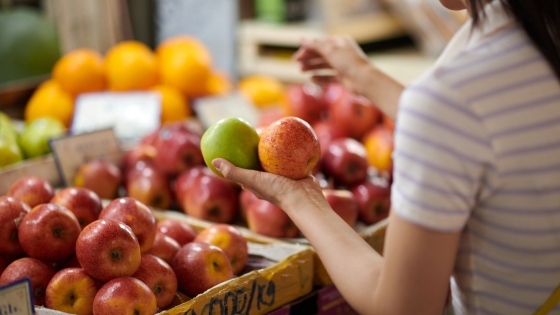
Autumn gives you colour and comfort at a kind price. Choose hearty bases, then add accents. Build meals around staples that stretch, and you will feel the difference in your till receipt.
Roots, Brassicas, And Squash
Carrots, beets, parsnips, and potatoes are inexpensive, filling, and versatile. Roast with oil, salt, pepper, and garlic for a tray bake that anchors multiple meals. Brassicas such as cabbage and kale deliver minerals and crunch for pennies. Squash and pumpkin add sweetness and beta carotene. These are classic seasonal superfoods that respond well to simple cooking.
Apples, Pears, And Citrus
Apples and pears go in porridge, salads, compotes, and crumbles with minimal sugar. Citrus begins to brighten shelves in late autumn. A squeeze of lemon over steamed greens makes cheap veg taste restaurant good. Fruit that stores well is a friend of cold-weather nutrition, because it keeps you stocked between shops.
Legumes And Grains As Price Savers
Tins of chickpeas and beans, plus brown rice, barley, and oats, lower the cost per meal and raise satiety. They pair perfectly with veg-forward cooking and let small amounts of pricier organic items go further. This is the backbone of buying organic on a budget without losing satisfaction.
Which single swap will you try this week to make buying organic on a budget easier: a market visit, a seasonal tray bake, or a better storage habit? Please like, share, and comment to tell us your pick, and check our other food and wellness guides for more seasonal produce guide ideas and cold-weather nutrition tips that genuinely save money.
Find out how to take action in “Ultra-Processed Foods And How They Damage Your Health“.
FAQ
Which foods should I choose organic first if my budget is tight?
Start with the dirty dozen from the clean 15 dirty dozen list, especially berries, apples, grapes, and leafy greens. Buy clean 15 items conventionally, wash well, and focus your organic spend where it counts.
Is it cheaper to shop at local markets or supermarkets in autumn?
It depends on the week. Markets can be cheaper for freshly picked veg and end-of-day deals, while supermarkets offer multibuys. Use your seasonal produce guide to buy what is in season wherever the best price appears.
What storage habits save the most money fast?
Keep cold-friendly produce dry and ventilated, store roots and alliums in a cool dark cupboard, prep greens on day one, and roast a tray of mixed veg for easy meals. Cutting waste is the quickest win when buying organic on a budget.
#BuyingOrganicOnABudget #SeasonalProduceGuide #AutumnNutrition #HealthyEating #ColdWeatherMeals
Recommended books for further reading:
- Eat Yourself Healthy: An easy-to-digest Guide to Health and Happiness from the inside out
- Perfect Health
- Water – The Wonderful and Unique Life Source
- Eat to Beat Disease: The Body’s Five Defence Systems and the Foods that Could Save Your Life
- Keto Diet: Your 30-Day Plan to Lose Weight, Balance Hormones, Boost Brain Health, and Reverse Disease
Recommended Products: